
Tuesday, 6/1/2026
Share This Article :
University engagement with the community is a vital element in strengthening the role of higher education as a driver of social well-being and development. At Universiti Malaysia Terengganu (UMT), this commitment has been realised through various strategic initiatives that leverage academic expertise, professional staff support, and active student participation.
As an institution grounded in marine and maritime knowledge, UMT emphasises societal values and two-way relationships with the community. The university’s proximity to coastal areas facilitates the implementation of research activities, knowledge transfer programmes, and relevant, hands-on social responsibility initiatives, thereby empowering local communities, particularly coastal communities in Terengganu and the East Coast region.
UMT as Catalyst for Community Empowerment
The strong commitment to community development has enabled UMT to implement a wide range of strategic initiatives specifically designed to address genuine societal needs. Key approaches included aligning academic expertise with community needs to ensure that intervention programmes are targeted, relevant, and impactful, as well as providing platforms for knowledge and technology transfer, training, and mentoring to diverse community groups Each knowledge transfer programme was monitored and evaluated to ensure effectiveness and sustainability. This approach ensured that UMT’s initiatives focused on strengthening community capacity through continuous, structured, and high-impact implementation, rather than one-off activities.
Strengthening UMT’s Perception and Visibility through Community Projects
UMT has implemented various high-impact projects that provided direct benefits to the communities, in line with the university’s commitment to social, economic, and environmental sustainability.
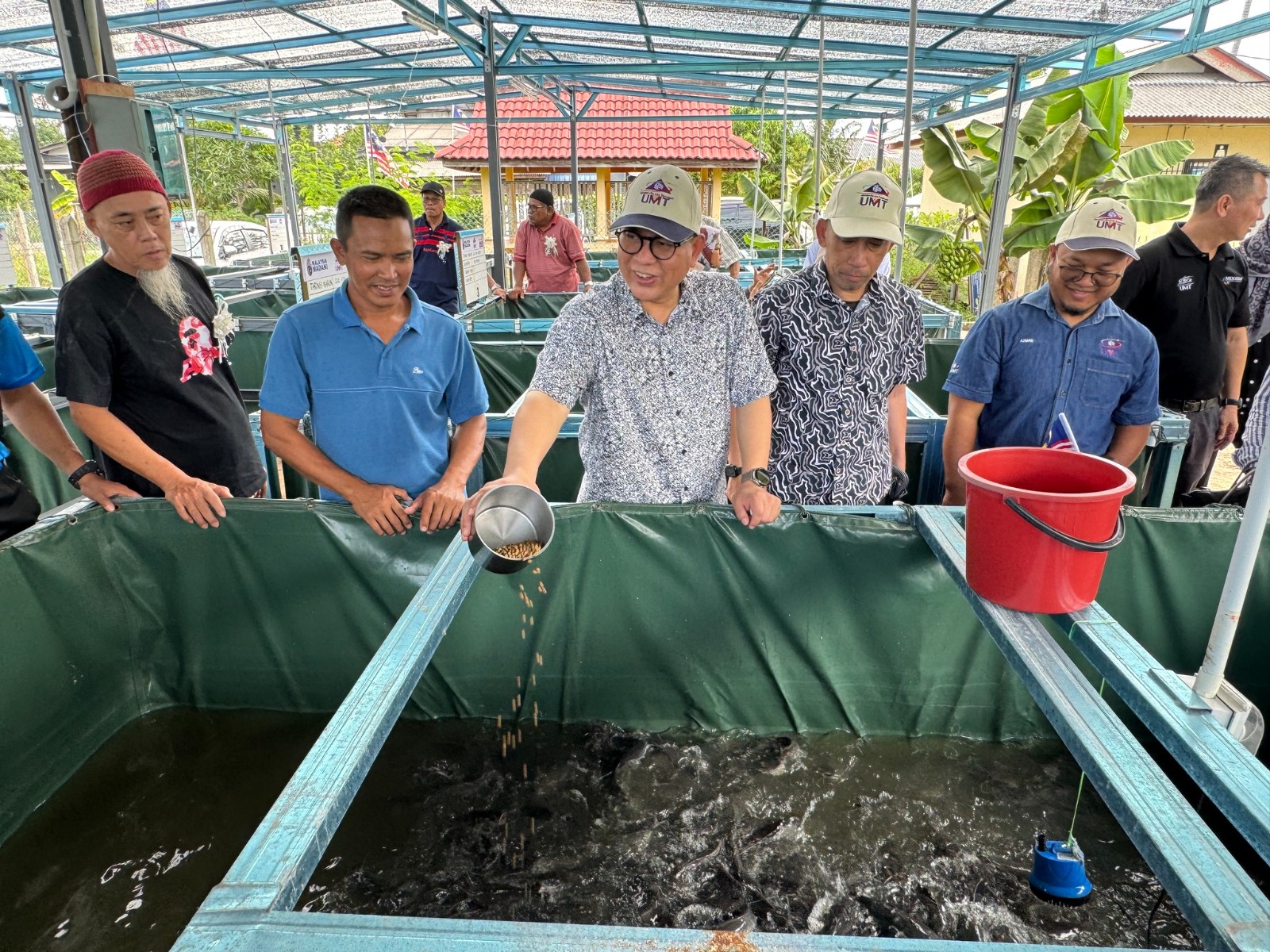
Key initiatives included coral reef and marine ecosystem conservation, coastal erosion management, fish farming programmes and aquaculture technologies to enhance the income of fishermen and B40 communities, as well as knowledge transfer on stingless bee farming and the production of stingless bee honey products.
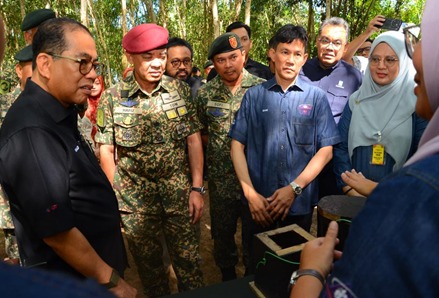
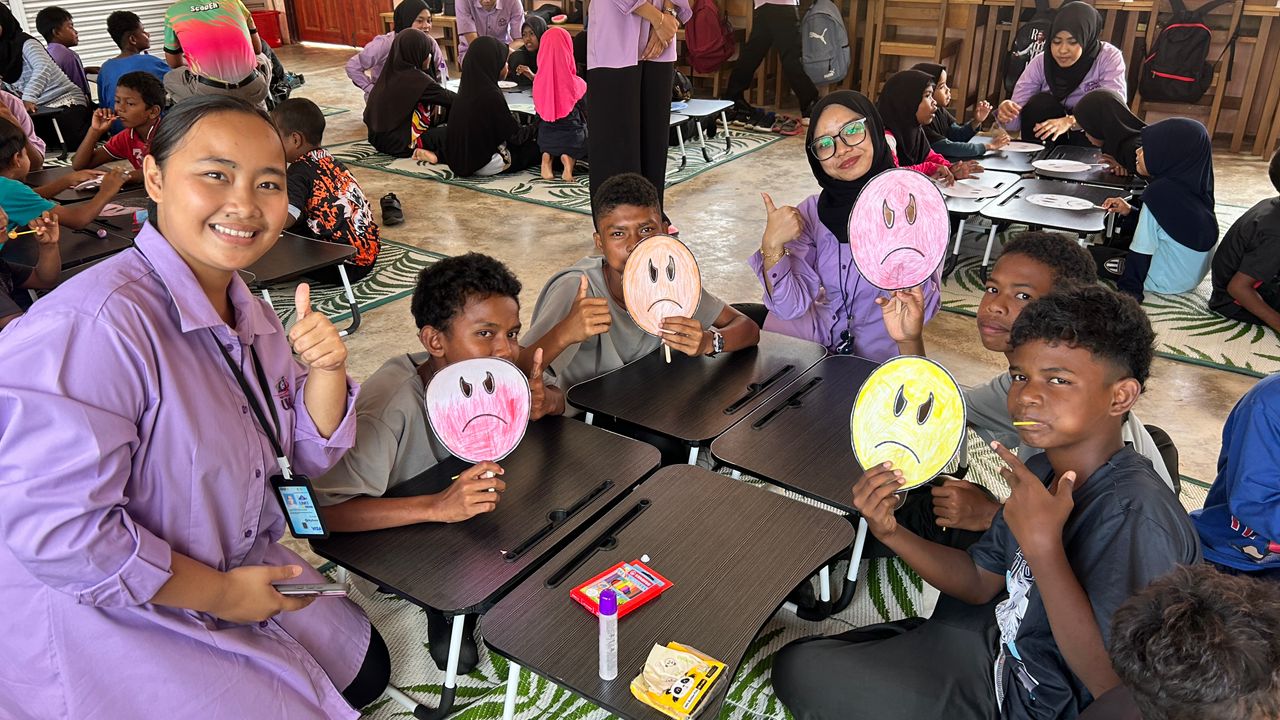
These initiatives have also been extended to families of the Malaysian Armed Forces through the MADANI Economic Development Project. In addition, UMT has nurtured young people’s interest in science, technology, and innovation through STEM and robotics programmes, as well as educational initiatives for the Orang Asli pupils.
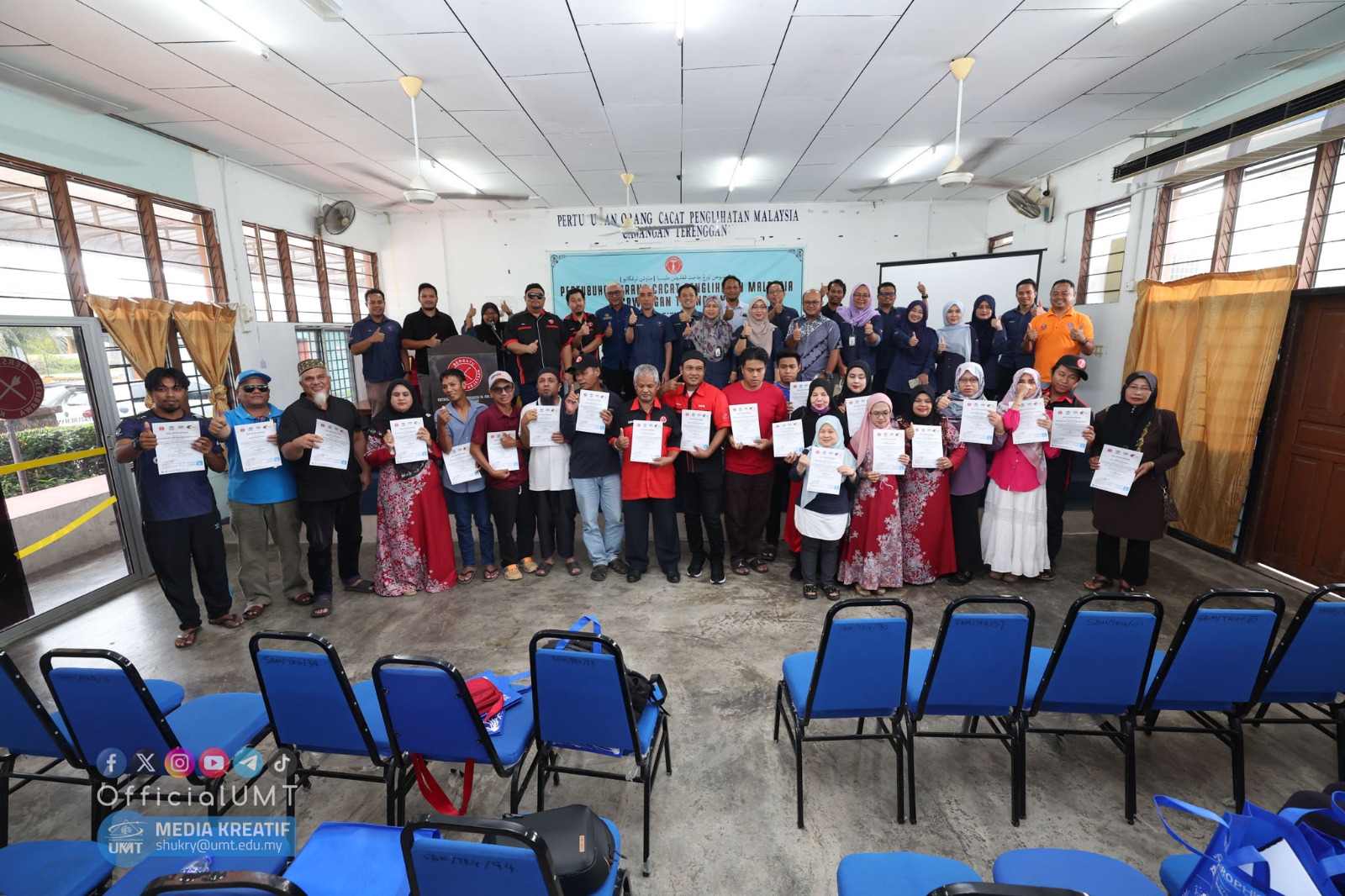
Digital literacy and entrepreneurship programmes have further provided access to modern digital skills, enabling youth and small-scale entrepreneurs to compete more effectively in the rapidly growing digital economy.
This approach has been further strengthened through the implementation of the UMT Living Lab, a collaborative field-based model that integrates research, innovation, and direct community engagement in real-world-settings. Through this lab, UMT’s focus communities, such as the coastal communities, not only become beneficiaries but also strategic partners involved in problem-solving processes, idea generation, technology testing, and joint project development.
UMT’s continuous efforts in fulfilling its social role have enhanced the effectiveness of the university’s engagement with the community. Systematic planning and implementation of community programmes have shown that the university’s benefits are not only for the campus community but also positively impact the surrounding community.
Structured academic expertise, high-impact project management, and close collaboration with the community have enabled the university to continuously strengthen its commitment to building a knowledgeable, resilient, and thriving community.
The programme’s success has been further reinforced through active cooperation with various government agencies, non-governmental organizations (NGOs), and the industry sector, ensuring effective implementation and long-term benefits.
By: Dr. Zuha Rosufila Abu Hasan, Ts. Dr. Ezmahamrul Afreen Awalludin, Siti Nurhasmira Abu Hassan, Mohd Shahir Haniff Abd Manaf
