Monday, 22/4/2024
Share This Article :
Lately the public has been complaining of feeling uncomfortable due to the irregular weather in the country and even around the world. The hot temperature during the day, as high as 40 degrees Celsius in some places, has not only caused people to become tired more quickly but disturbed the night’s sleep of those without air-conditioners at home.
There are also places that have received heavy rain during an unexpected time, as if the country’s climate is longer as regular as it used to be in the 90s. Looking back, great floods only occurred in several states especially in the east coast of the peninsular due to the changes in the northeastern monsoon around November, but now it can be said all states have been hit by flood.
According to Malaysian Meteorological Department, Malaysia’s climate is characterized by uniform temperature, high humidity, and heavy rain. Malaysia, located in the equator, rarely has a situation where the sky has no clouds, even during extreme draught. Malaysia also rarely has an occasion where there is no sun shine for several days, except during the northeastern monsoon season.
Now the world has become aware of the sudden climate change and scientists have also disseminated information on glacier melting phenomena that is prevalent in the Antarctica and creating a big impact on the world’s climate change.
Several efforts have been taken including conducting studies to ensure that development activities carried out will not harm planet Earth and that it will remain sustainable.
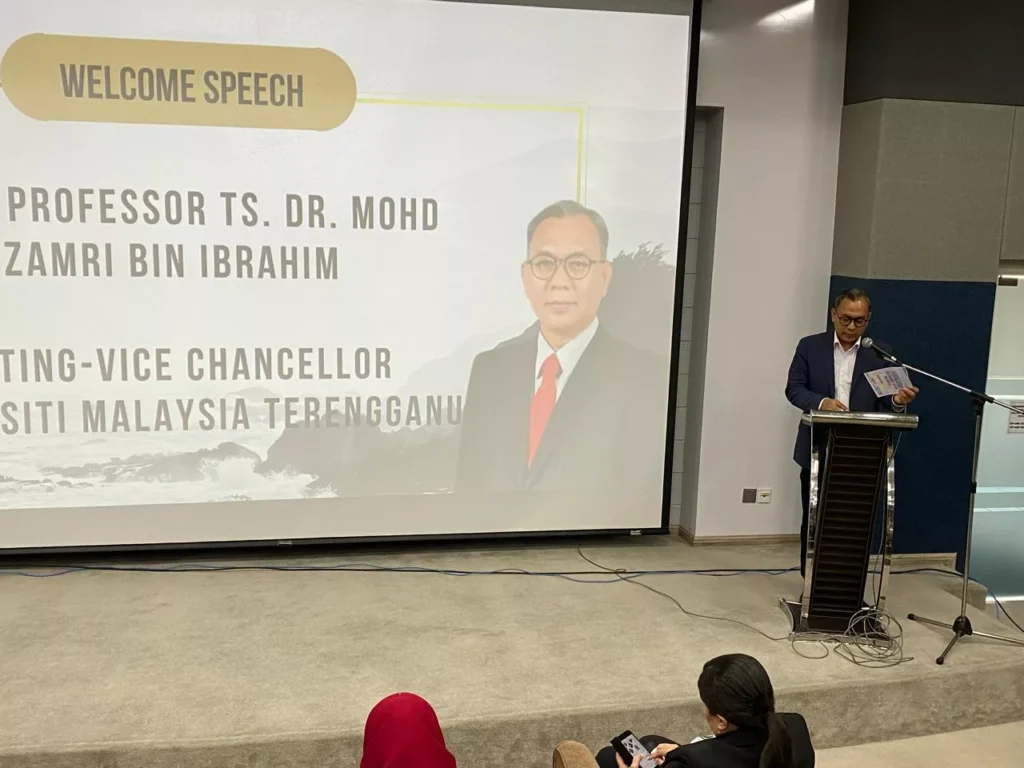
Universiti Malaysia Terengganu (UMT) Deputy Vice Chancellor (Academic & International) Prof. Ts. Dr. Mohd Zamri Ibrahim said efforts on earth’s sustainability must be implemented continuously and require involvement from all parties.
“Our oceans, filled with marine lives and miracles, have long been our planet’s lifeline. Now the oceans are facing all kinds of challenges and threats of destruction due to human activities such as solid waste and toxic waste dumping, plastic pollution, and uncontrolled development of new areas.
“We at UMT realize the importance of collective actions and cooperations among the academics, government agencies, and NGOs in finding the solutions and the best measures to ensure the sustainability of the environment’s ecosystem,” said Prof. Zamri in his speech during the opening ceremony of the National Marine Litter Inventory and Marine Litter Hotspots Programme taking place at the Conference Hall, UMT, Kuala Nerus.
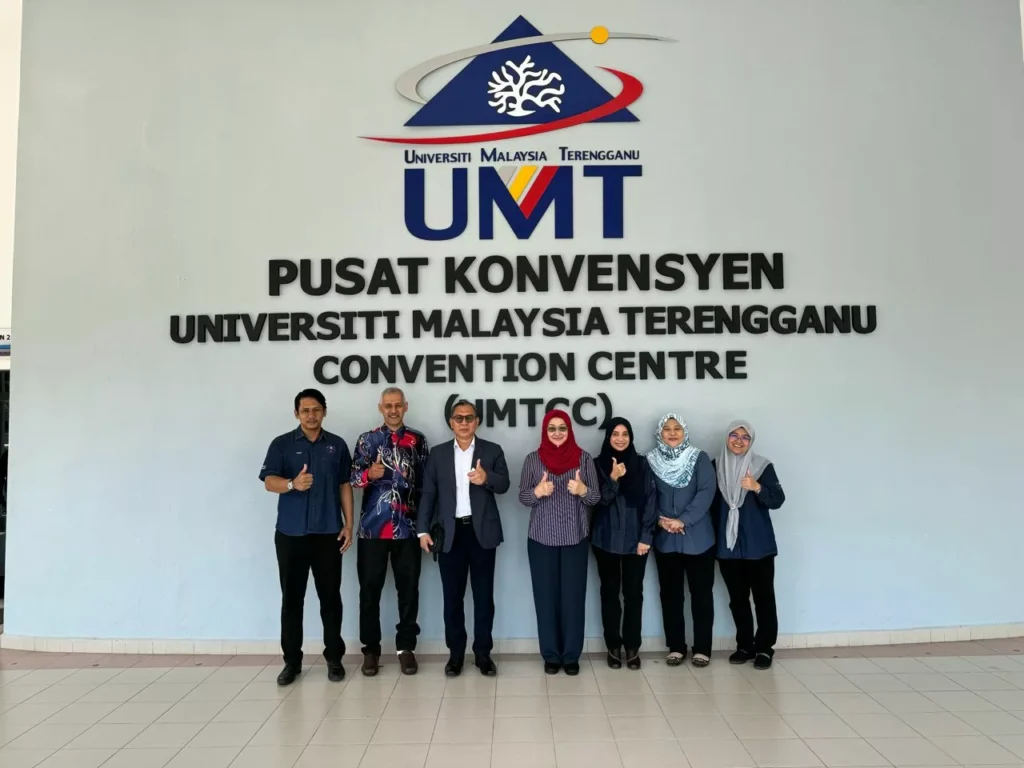
The event was also attended by Deputy Chief Secretary (Environmental Sustainability) Datuk Nor Hayati Awang and fellow cum head of Malacca Straits Centre, Malaysia Maritime Institute, Cheryl Rita Kaur.
Even more worrying now is that the act of disposing off plastic has created plastic particles classified as microplastic. Microplastic is created from degraded plastic pieces, synthetic fibers, and small plastic particles collectively and is difficult to be detected by the naked eye.
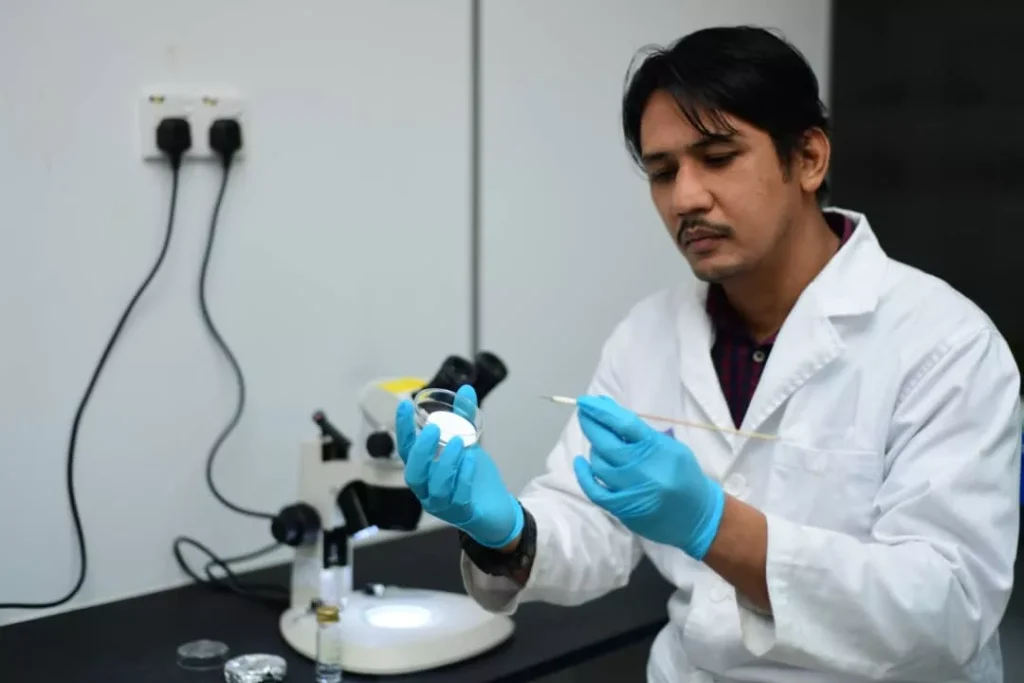
According to microplastic researcher at UMT, Associate Professor Dr. Yusof Shuaib Ibrahim, plastic requires an extended time to degrade.
“Plastic thrown by humans will drift to the oceans and will not degrade or disappear, but will undergo a reaction process for a long time and become microplastic that will be eaten by marine lives.
He said the oceans contribute greatly to the stability of the ecosystem cycle and the world’s climate change.
“The oceans act as heat and carbon absorber to balance climate change and control the temperature, the current, and sea water level.
“If the oceans are burdened with all kinds of pollution, they will disrupt the marine ecosystem, affect the lives and biodiversity, and subsequently affect the global climate directly.
As a marine-focused university, UMT always takes the initiative to protect the marine ecosystem and the environment. One example is the organizing of the World Oceans Week in conjunction with the celebration of the World Oceans Day on 8 June every year.
Published by:
Corporate Communications Office
Universiti Malaysia Terengganu