
Thursday, 22/1/2026
Share This Article :
Personal character plays a vital role in both social life and organisational settings. It reflects the true nature, values, and behaviour of an individual in adapting to relationships with family members, colleagues, and wider communities. Character refers to the natural traits within a person; however, these traits are not static. They can be shaped and improved according to environmental influences, personal needs, and life experiences. As management expert Peter Drucker stated, “Management is doing things right; leadership is doing the right things.” This highlights that beyond skills and efficiency, strong personal character or sahsiah is fundamental in guiding ethical behaviour and responsible decision-making.
As human beings, no individual is capable of living independently; everyone requires support, guidance, and the ideas of others. Regardless of knowledge or expertise, collaboration remains essential for personal growth and collective success. This understanding is reflected in the concept of insan, which signifies a being in constant need of guidance and mutual support. From this perspective, teamwork becomes a key platform through which personal character is shaped and strengthened.
The formation of good character begins early in life through the learning environment and guidance provided by parents or guardians. This foundation is later reinforced through interaction with others, particularly in organisational settings, where individuals learn responsibility, cooperation, and accountability. Through teamwork and the exchange of views, individuals learn to reflect on their behaviour, adapt to different perspectives, and improve themselves through shared experiences.
The strengthening of personal character also occurs when individuals possess the awareness and willingness to change for the better. This awareness is manifested through effective communication, continuous self-improvement, and the mutual exchange of ideas towards positive outcomes. In an organisational context, harmonious teamwork is achieved when individuals perform their duties sincerely and practise ihsan, without comparing the weight of their responsibilities to those of others. Understanding the emotional needs and personal circumstances of colleagues further strengthens unity and trust within a team.
Cultivating positive assumptions (husnu zan) is equally important in teamwork. A colleague’s low job performance or lack of motivation may stem from personal or family challenges rather than intentional misconduct. Such empathy prevents negative judgment and fosters a supportive working environment. This spirit of understanding contributes to trust, which Stephen Covey described as “the glue of life” and the foundation of effective communication.
The importance of personal character is also reflected in annual performance evaluations such as SKT and promotion assessments, demonstrating management’s expectation that employees carry out their responsibilities with integrity, accountability, and dedication. While organisational systems and communication structures are important, a truly strong and harmonious organisation is built on the moral responsibility and positive mindset of its members.
Three approaches can be adopted to shape and improve personal character through teamwork. First, individuals must develop self-awareness to perform good deeds based on responsibility, amanah, and religious guidance. Second, individuals should strive to improve their weaknesses by engaging with colleagues who provide constructive feedback or by seeking advice from senior members. Third, character development occurs through active participation in meetings, programmes, and social activities, where shared experiences naturally strengthen both teamwork and personal growth.
It is through this collective process that teamwork truly thrives. Teamwork involves collaboration, understanding individual circumstances, and complementing one another’s strengths and weaknesses. As Henry Ford stated, “Working together is success.”
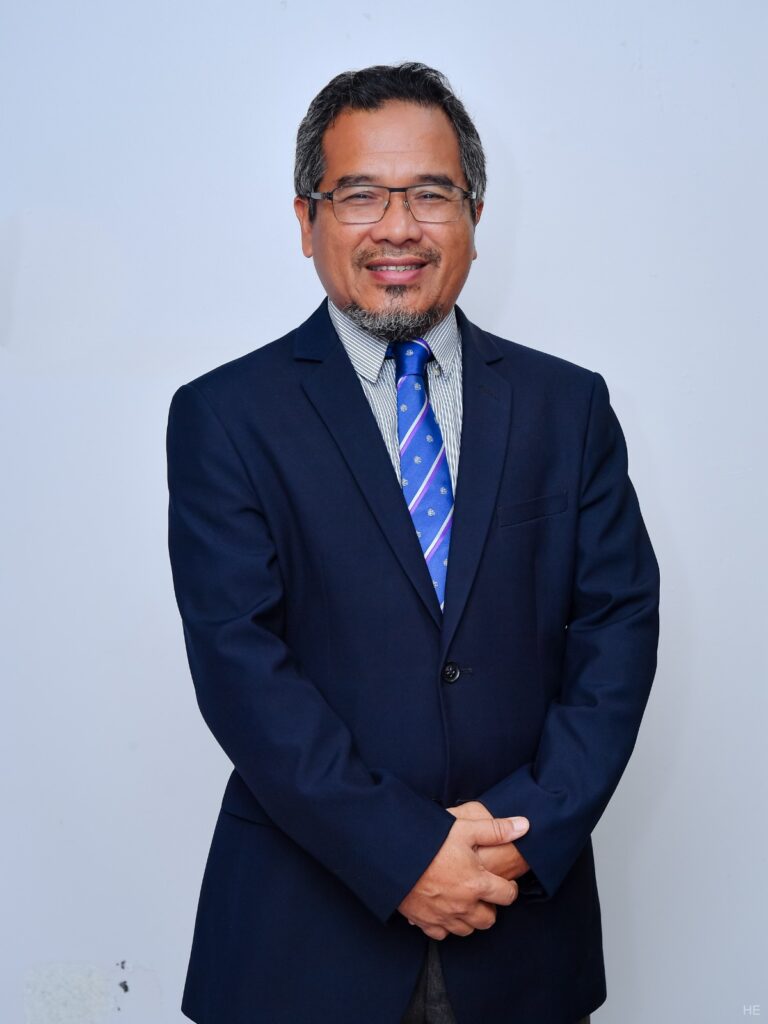
By: Prof Dr. Asyraf Hj Ab Rahman
Dean, Centre for Fundamental and Continuing Education
