PENYELIDIKAN

Fokus Penyelidikan Teras Kami

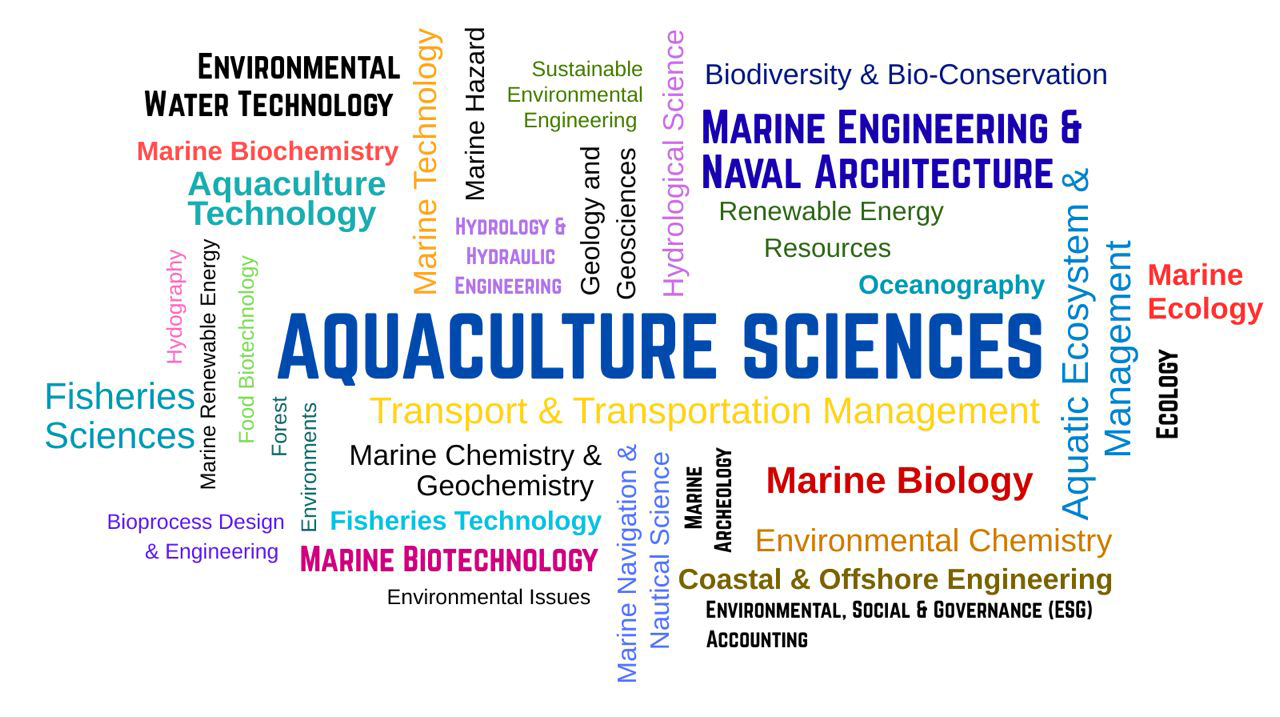
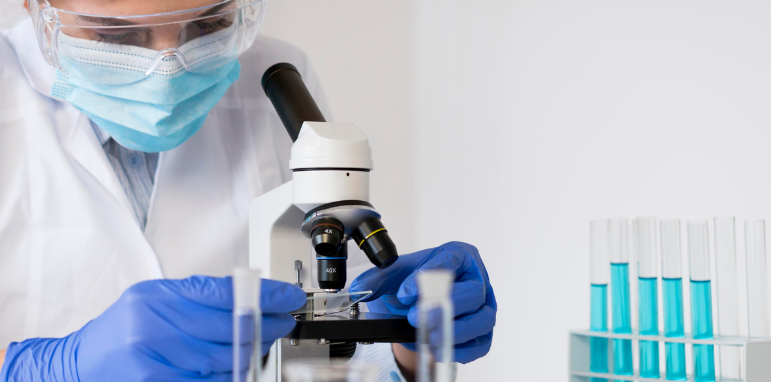
Merangkumi bidang sains marin, sumber akuatik, dan inovasi sosial, UMT menerajui penyelidikan yang memberikan impak bermakna. Penyelidik kami komited untuk membangunkan penyelesaian mampan serta menyumbang kepada perubahan positif buat masyarakat dan alam sekitar.

Institut Penyelidikan

UMT menempatkan beberapa institut penyelidikan terkemuka yang menerajui inovasi dan pembangunan ilmu, termasuk HICoE INOS (Institut Oseanografi dan Persekitaran), HICoE AKUATROP (Institut Akuakultur dan Perikanan Tropika), IBTPL (Institut Biodiversiti Tropika dan Pembangunan Lestari), dan HICoE ICAMB (Institut Penyesuaian Iklim dan Bioteknologi Marin), di mana setiap satunya memfokuskan kepada penyelidikan berimpak tinggi serta penyelesaian yang berterusan.

Research Centre

UMT menempatkan beberapa stesen penyelidikan semula jadi yang terletak secara strategik untuk memajukan kajian dalam sains marin, biodiversiti, dan ekosistem tempatan. Ini merangkumi Stesen Penyelidikan Semula Jadi Marin UMT di Pulau Bidong, Stesen Penyelidikan Semula Jadi Penyu Chagar Hutang di Pulau Redang, Stesen Penyelidikan Semula Jadi Tanah Lembap Setiu UMT, dan Stesen Penyelidikan Lapangan Biodiversiti Kenyir UMT, yang menyediakan platform utama bagi penyelidikan berimpak tinggi serta pemantauan alam sekitar.

Perlu mencari pakar?

Hubungi penyelidik UMT hari ini.

Mencari penyelia penyelidikan, meneroka projek inovatif, atau ingin menjalinkan kerjasama? Manfaatkan kepakaran penyelidik UMT dan rangkaian kami yang luas untuk memacu penemuan berimpak tinggi bersama-sama.

Hubungi Pejabat Penyelidikan untuk sebarang pertanyaan atau kerjasama.

Bukit Kor Environmetal Research Park

Location & Access

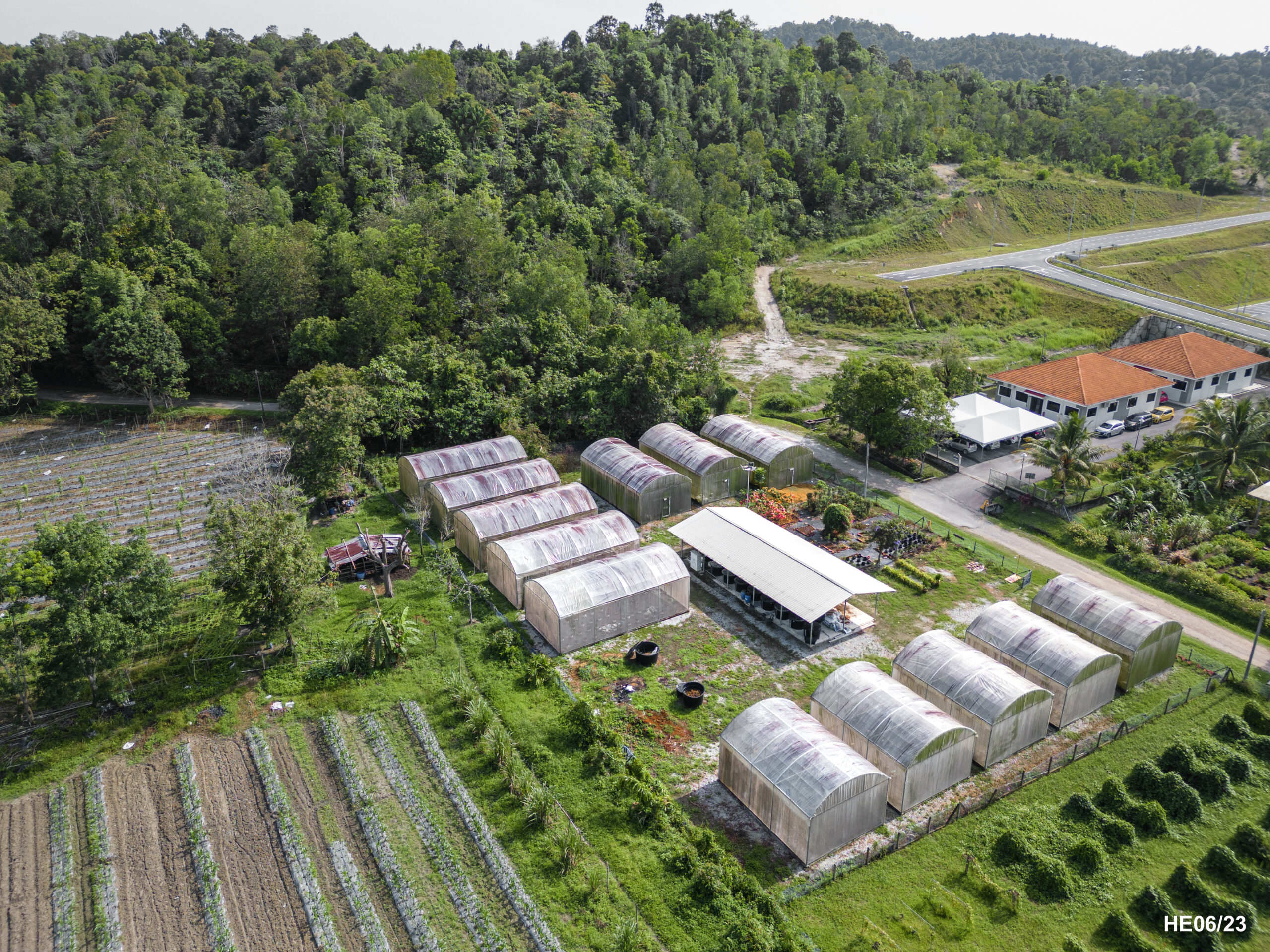
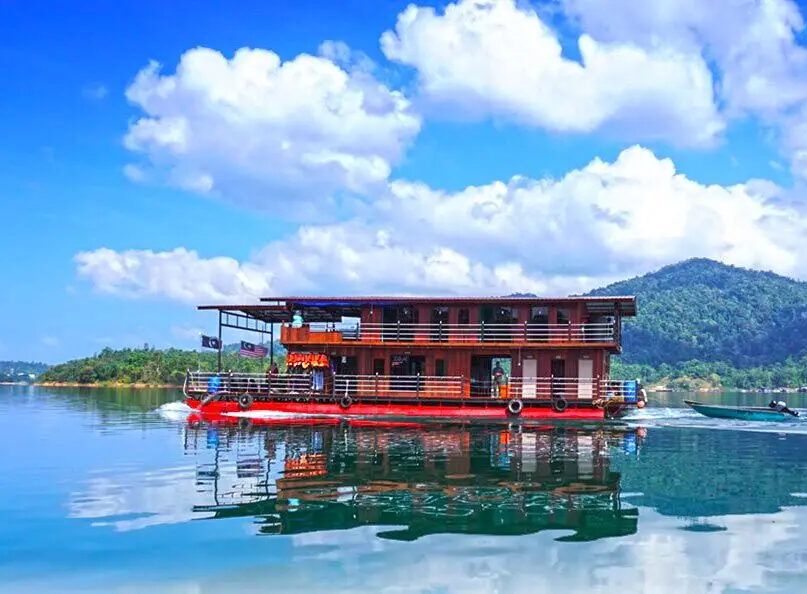
Bukit Kor Environmental Research Park is strategically located within the Kenyir Lake region, Hulu Terengganu, surrounded by a pristine tropical rainforest ecosystem.

  • Total area: 45.6 acres

  • Developed zone: 10.6 acres

  • Main building footprint: ±10 acres

  • Lake depth surrounding the station: ±40 metres

  • Construction completed: 2017

  • Fully operational: 2021

Unique Features

  • Serves as a key research hub for tropical rainforest biodiversity and freshwater aquatic resources

  • Natural environment ideal for long-term ecological, flora–fauna, and freshwater studies

  • Located in a secluded and pristine forest area, enriched by Kenyir Lake’s diverse ecosystem

  • Supports comprehensive research programmes in biodiversity, ecology, and conservation

Facilities

Academic & Research Facilities

  • Academic Buildings A & B

  • Lecture Room (capacity: 25 persons)

  • Research Officer Room

  • Science Officer Room

  • Preparation Laboratories 1 & 2

  • Teaching Laboratory

  • Biodiversity Laboratory

  • Auditorium

  • Cafeteria

  • Surau (Prayer Room)

Accommodation

Hostel

  • 16 rooms (total capacity: 64 persons)

  • Locker

  • Shoe rack

  • Towel rack

  • Ensuite bathroom in each room

Guest Houses (Units 1–6)

  • Units 1, 3, 5: Queen bed

  • Units 2, 4, 6: Two single beds

Amenities provided:
Microwave, induction cooker, kettle, mini refrigerator, iron and ironing board

Academic & Research Activities

  • Fieldwork in biodiversity and freshwater science

  • Tropical rainforest flora and fauna research

  • Habitat assessment, lake ecology, hydrobiology, and conservation studies

  • Teaching and practical sessions conducted in biodiversity and teaching laboratories

Recreational & Field Activities

  • Biodiversity exploration

  • Forest-based fieldwork

  • Freshwater sampling and lake ecology surveys

  • Group-based outdoor learning and academic activities

UMT Kenyir Biodiversity Field Research Station

Location and Access

  • Located within the Kenyir Lake region, Hulu Terengganu
  • Total area: 45.6 acres
  • Developed zone: 10.6 acres
  • Main building footprint: ±10 acres
  • Lake depth around the station: ±40 metres
  • Construction completed: 2017
  • Fully operational: 2021

Unique Features

  • Key research hub for tropical rainforest biodiversity and freshwater aquatic resources
  • Natural environment ideal for long-term ecological, flora–fauna and freshwater studies
  • Situated in a secluded, pristine forest area surrounded by Kenyir’s rich biodiversity
  • Supports comprehensive biodiversity, ecology, and conservation research programmes

Facilities

  • Academic Buildings A & B
    • Lecture room (25 pax)
    • Research Officer Room
    • Science Officer Room
    • Preparation Labs 1 & 2
    • Teaching Laboratory
    • Biodiversity Laboratory
  • Auditorium
  • Cafeteria
  • Surau (Prayer Room)

Accommodation:

  • Hostel – 16 rooms (capacity 64 people)
    • Locker
    • Shoe rack
    • Towel rack
    • Ensuite bathroom in each room
  • Guest Houses (Units 1–6)
    • Units 1, 3, 5: Queen bed
    • Units 2, 4, 6: Two single beds
    • Amenities provided: Microwave, iron & ironing board, induction cooker, kettle, mini fridge

Academic and Research Activities

  • Fieldwork related to biodiversity and freshwater science
  • Tropical rainforest flora and fauna research
  • Habitat assessment, lake ecology, hydrobiology and conservation studies
  • Teaching and practical sessions conducted in the biodiversity and teaching laboratories

Recreational / Field Activities

  • Biodiversity exploration
  • Forest fieldwork
  • Freshwater sampling and lake ecology surveys
  • Group-based outdoor and academic activities

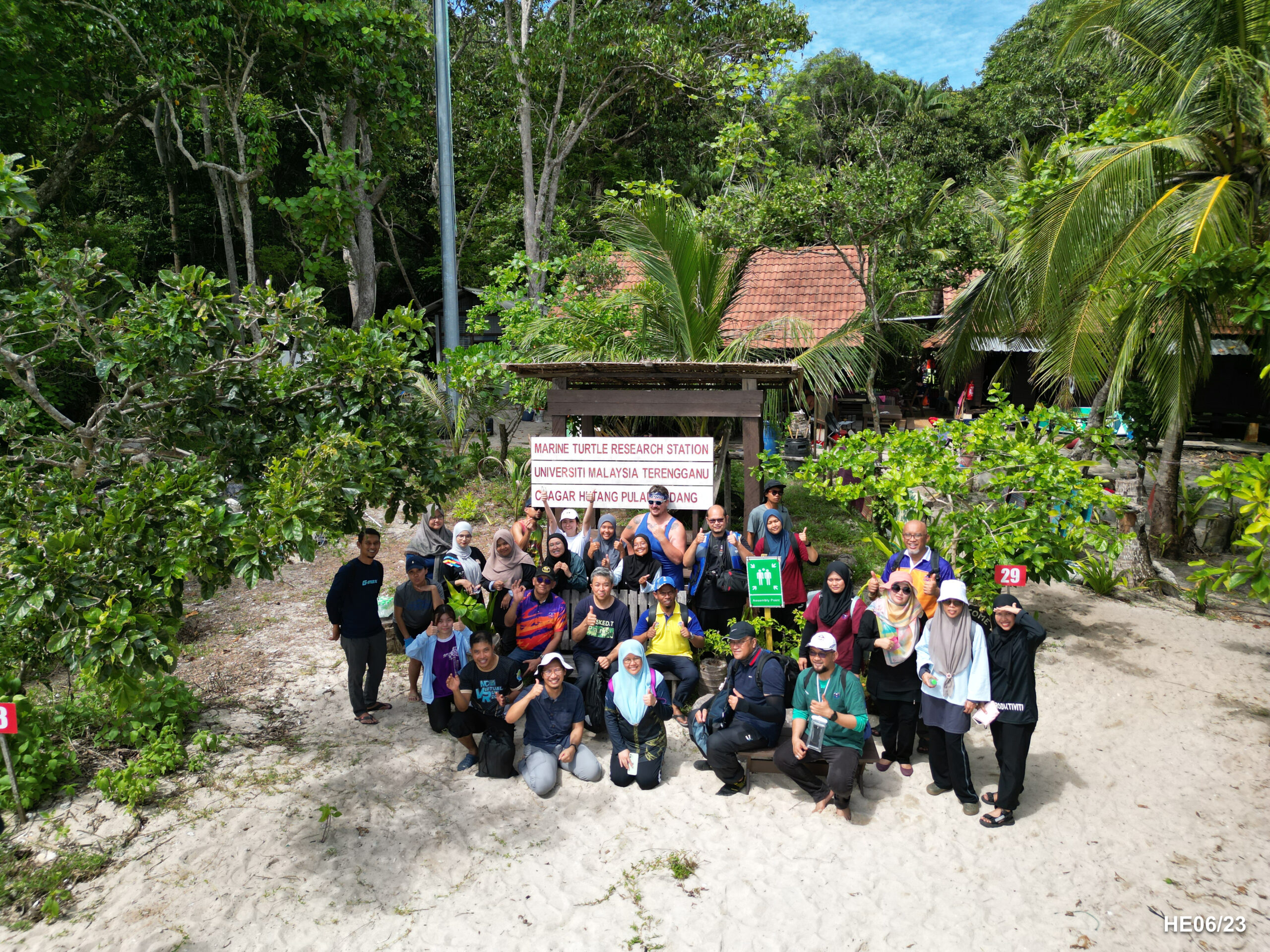
Chagar Hutang Turtle Natural Research Station, Redang Island

Key Highlights

  • Densest sea turtle nesting beach in Peninsular Malaysia
  • Holds the highest number of in-situ nests protected in the country
  • 1.15 million sea turtle eggs protected to date
  • Supported by ~5,000 global volunteers


Conservation Impact (1993 – Present)

  • Long-term sea turtle monitoring
  • Tagging & in-situ egg incubation
  • >20,000 nests protected
  • >1 million hatchlings released


Research Focus

  • Population tagging & monitoring
  • Nesting biology & threats
  • Genetics studies
  • Bio-logging
  • Health assessments
  • Hatchling in-nest behaviour
  • Turtle Lab located at The Taaras Beach & Spa Resort


Outreach & Education

  • Volunteer Programme (April–October, since 1998)
  • Nest/Turtle Adoption
  • Kem Si Penyu (for Redang schoolchildren, since 1996)
  • Kem Prihatin Penyu (CSR / group programme)
  • Eco-Educational Day Trip visits
  • Exhibitions, talks & merchandise


Signature Programmes

  • Volunteer Programme
  • Turtle Camp
  • Eco-Educational Daytrip

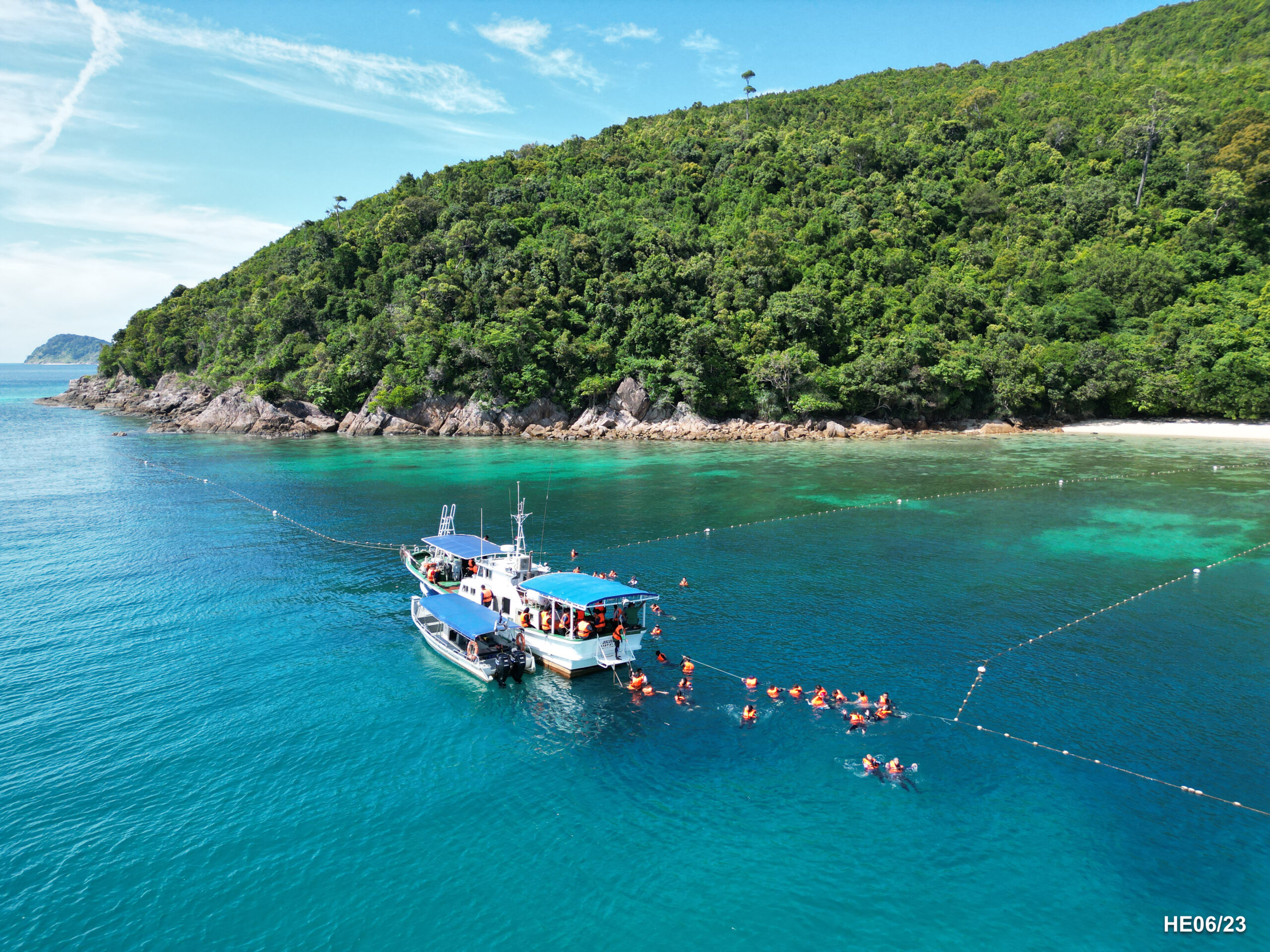
UMT Marine Natural Research Station Pulau Bidong

Location and Access

  • Located in the South China Sea, ±8 nautical miles off Merang
  • Coordinates: 5°37’15″N, 103°03’27″E
  • Access: 15–20 min from Merang Jetty; 45–60 min from Kuala Terengganu
  • Island size: ±231 hectares
  • Research station area: 2 hectares (Lot 284)


Highlights

  • A complete land–sea ecosystem ideal for research and field studies
  • Former Vietnamese Refugees’ Camp (1978–1991)
  • Surrounded by nearby islands such as Karah, Yu Besar, Yu Kecil and Geluk


Facilities

  • Capacity: 70–100 users at a time
  • Freshwater supply: tube well and spring water
  • Power supply via generator
  • Fully equipped Dive Centre
  • Accommodation: Activity House, Rumah Bidong, Rumah Yu Besar/Yu Kecil, Rumah Karah, Rumah Geluk
  • Main Hall, Dining Hall & assembly area


Teaching and Research Activities

  • Fieldwork, Final Year Projects & marine training courses
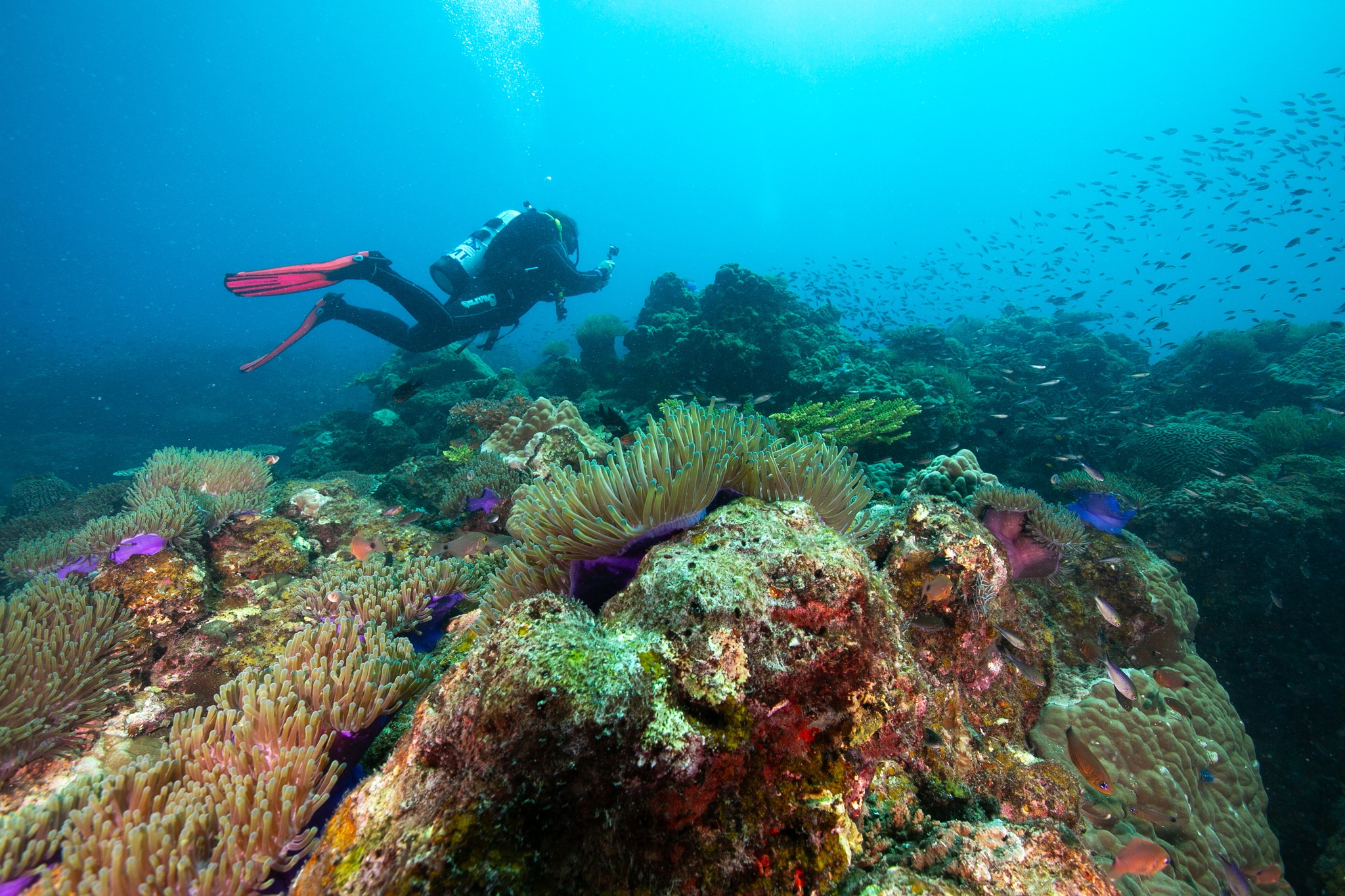
  • Research areas include: underwater archaeology, coral spawning/restoration/mapping, fisheries, seismic studies, ecology & biodiversity


International Programmes

  • Preferred field site for:
    • Heriot-Watt University
    • Hong Kong University (HKU)
    • National University of Singapore (NUS)
    • Mie University
    • National Taiwan Ocean University


Recreational Activities

  • Scuba diving
  • Snorkelling
  • Kayaking
  • Jungle trekking
  • Team building

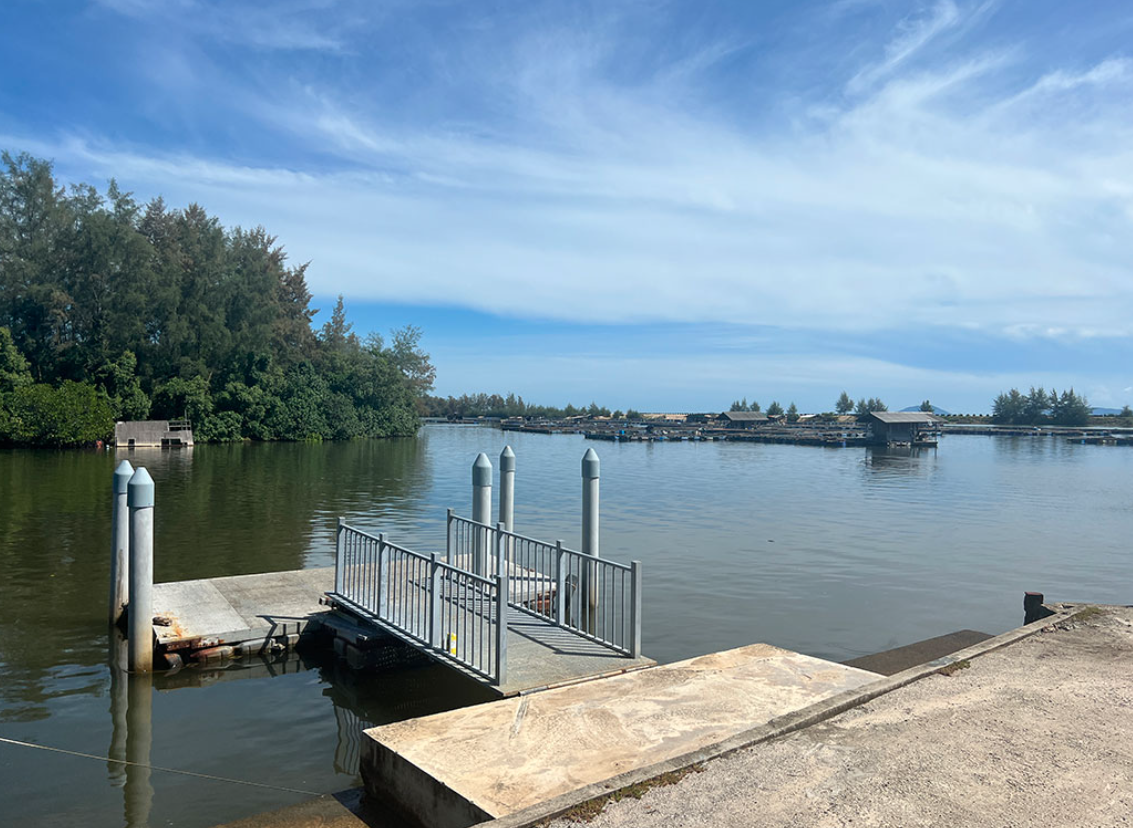
UMT Setiu Wetlands Natural Research Station

Location and Size

  • Coordinates: N 05°40.6375’ E 102°42.6120’
  • Station land area: 1.214 hectares
  • Building area: 632.43 m²
  • Located within the 23,000-hectare Setiu Wetlands, with 432 hectares gazetted as the Setiu Wetlands State Park (2018)


Unique Ecosystem Features
Setiu Wetlands encompasses 9 major ecosystems:

  • Sandy beaches
  • Mudflats
  • Lagoons
  • Estuaries
  • Rivers
  • Islands
  • Freshwater swamps
  • Mangroves
  • Marine waters


Core Functions and Activities

  • Key site for teaching and learning activities
  • Supports wetlands, biodiversity and ecological research
  • Actively engages nearby communities through environmental awareness programmes


Facilities

  • Accommodation: UMT III (3 pax) & UMT IV (5 pax)
  • Fully equipped research laboratory
  • Dedicated spaces for fieldwork and scientific activities
0%